
Updated: Sep 9, 2026
Key Takeaways
- Choose secure, slip-resistant surfaces and clear walking routes.
- Use adequate lighting without exceeding fixture ratings.
- Ask about a personalized occupational-therapy assessment before major alterations.
Start with the person and the daily routine
Walk through getting out of bed, bathing, preparing food, and leaving the house. Note difficult transfers, changes in vision, and the space needed for a walker or wheelchair. A home modification can reduce a hazard; it cannot guarantee that falls or future care needs will be prevented.
Ask a clinician whether an occupational therapist can assess the home and how you use it. Confirm the assessment's cost and insurance coverage before booking. Bring a list of falls, near misses, and tasks that have become difficult.

Get the Weekly Updates newsletter
Sign up for the latest financial advice, health news, and lifestyle updates.
Bathroom checklist
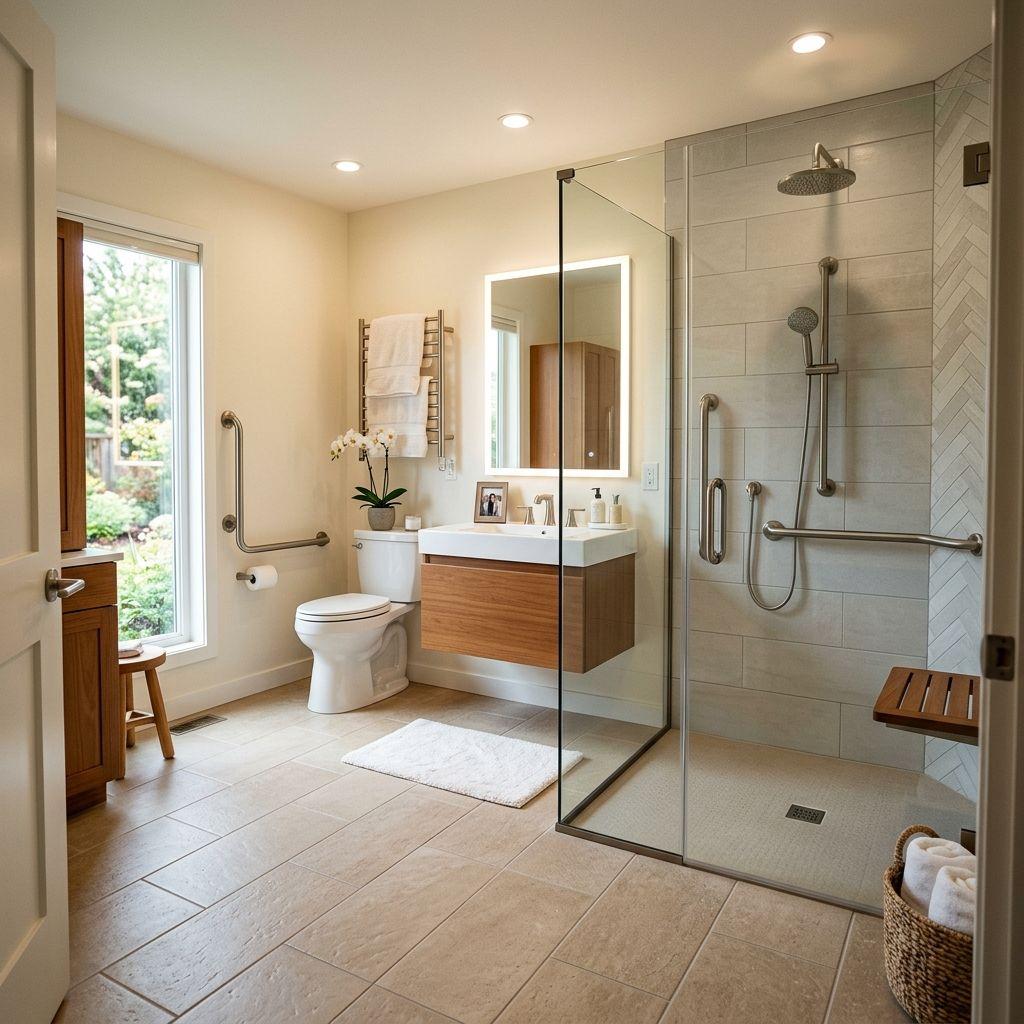
- Have grab bars securely installed where the person needs support. A towel rail is not a grab bar.
- Choose a stable shower seat, toilet aid, or transfer equipment with professional advice about fit and safe use.
- Keep bathing surfaces slip-resistant and dry walking areas promptly. Avoid loose mats that create another trip hazard.
- Consider a level-entry shower if stepping into the tub is difficult; check drainage, space, and installation requirements before buying.
Entrances and stairs
- Keep routes clear of cords, clutter, and loose rugs; repair uneven surfaces.
- Check that handrails are secure and useful throughout the stairway.
- Assess existing stair coverings for traction and secure attachment. Wood is not inherently safer than well-maintained carpet.
- Ask a qualified contractor to assess ramp slope, landings, drainage, permits, and the user's equipment. A portable ramp is not suitable for every entrance.
Bedroom, hallways, and lighting
- Keep a clear route from the bed to the bathroom and a light within reach of the bed.
- Improve illumination while controlling glare and shadows. Compare bulb brightness in lumens and stay within each fixture's electrical rating.
- Place frequently used items within comfortable reach. Check bed height and transfer space.
Kitchen and everyday tasks
- Move heavy and frequently used items to reachable storage; avoid climbing to retrieve them.
- Consider pull-out storage and easy-to-use handles.
- Check smoke alarms and discuss appropriate cooking reminders or shutoff equipment.
- Make an emergency contact plan. A medical alert system has limitations and does not replace needed assistance.
Budget and reassess
Prioritize immediate hazards, then obtain written quotes for structural work. Ask your Area Agency on Aging about local assistance and eligibility. Do not assume Original Medicare pays for ramps, walk-in tubs, or general renovations; covered medical equipment is a separate benefit. Check any Medicare Advantage supplemental benefit directly with the plan.
Compare modification costs with ongoing help and other care arrangements. Revisit the checklist after a fall, hospital stay, or change in mobility.
Frequently Asked Questions
Does Medicare cover a wheelchair ramp?
Should I replace carpet with wood?
ARTICLE SOURCES
Retire Companion requires writers to use primary sources to support their work. These include white papers, government data, original reporting, and interviews with industry experts. We also reference original research from other reputable publishers where appropriate. You can learn more about the standards we follow in producing accurate, unbiased content in our editorial policy.
- National Institute on Aging. Aging in Place: Growing Older at Home
- Medicare. Home health services
Was this article helpful?
Your feedback helps us improve our resources.