
Updated: Sep 9, 2026
Key Takeaways
- Automatic fall detection can miss falls and produce false alarms.
- Check coverage, battery routines, water-use instructions, and dispatch procedures.
- Compare first-year cost, recurring fees, and cancellation terms.
Choose the service you need
An at-home system and a mobile system solve different problems. Ask where the device works, whether it relies on a landline or cellular network, and how a power or network outage affects it. A mobile device's location estimate is not guaranteed to be exact, particularly indoors.
A system does not replace hands-on assistance, supervision, or emergency planning for someone who needs them. Discuss whether the person can wear, charge, activate, and respond through the device.

Get the Weekly Updates newsletter
Sign up for the latest financial advice, health news, and lifestyle updates.
Understand fall detection limits
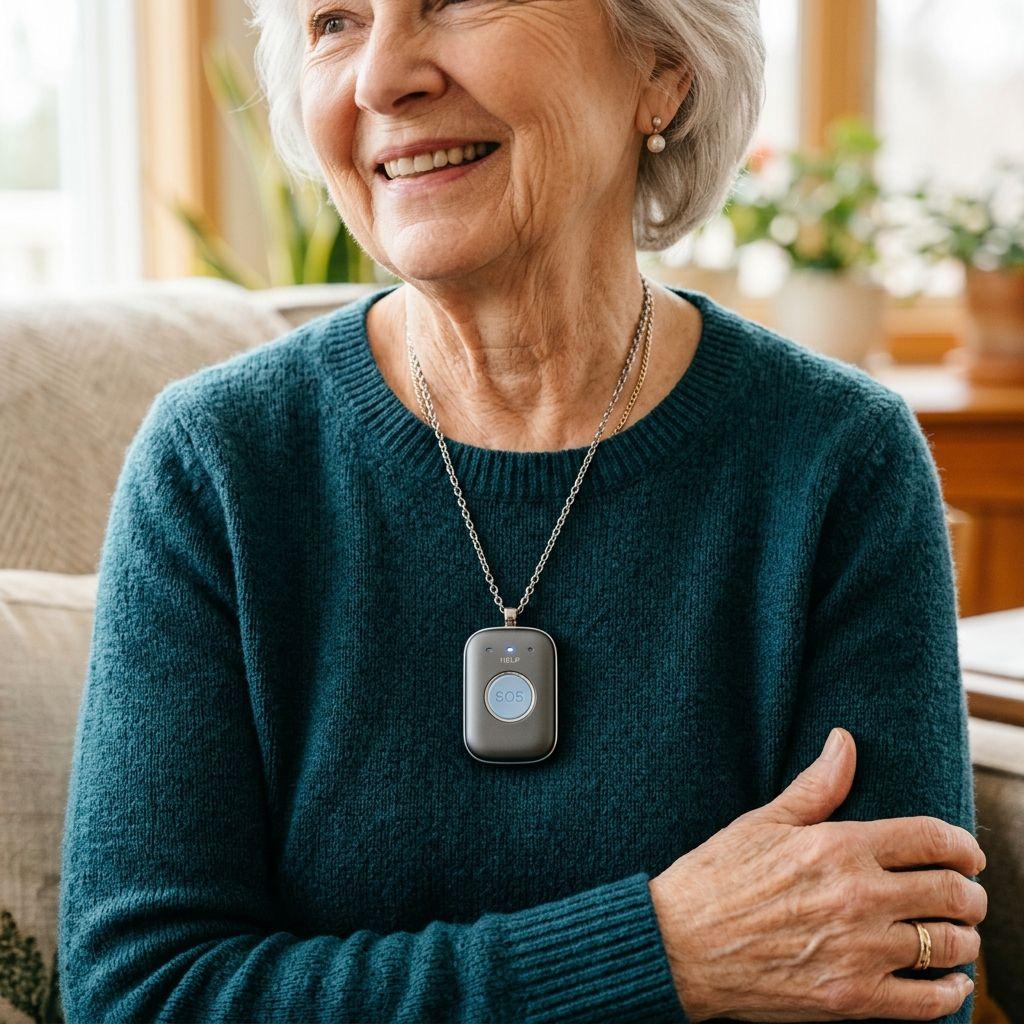
Automatic fall detection can fail to detect a fall and can trigger without a fall. Manufacturer guidance, including Medical Guardian's own limitations, says detection is not guaranteed. Press the help button when able rather than assuming the device has summoned assistance.
Do not compare systems using an unsupported industry response-time average or a general detection percentage. Ask what a vendor's performance claim measures, under which conditions, and whether it describes connection time or emergency-service arrival.
Use a written comparison sheet
| Feature | Questions to ask |
|---|---|
| Connection | Which network or phone service is required, and does it work at your address? |
| Power | Battery life, charging time, low-battery alerts, and backup during outages? |
| Water use | Is this exact device approved for shower use under its instructions? |
| Fall detection | Included or optional, wearing position, limitations, and false-alarm process? |
| Response | Who answers, how are contacts reached, and when are emergency services called? |
| Access | How can responders enter the home, and who maintains contact details? |
| Contract | Trial, return shipping, cancellation, refund, and equipment-replacement terms? |
A water-resistance rating alone does not establish suitability for showering under every condition. Follow the model-specific instructions for water exposure, charging, and wear.
Compare complete prices
Illustration only: a $35 monthly service plus a $10 monthly fall-detection option costs $540 over 12 months. Add any equipment, activation, shipping, tax, and replacement charges. These are assumed prices, not verified vendor offers.
Ask for both first-year and renewal totals. Confirm whether promotional pricing expires and whether prepayment is refundable. This article is a buying checklist, not a tested ranking of named products.
Set up and practice
Follow the provider's approved test procedure, check coverage in the places used daily, and rehearse the charging routine. Keep emergency contacts current and explain dispatch preferences to family or caregivers. Combine the system with home-safety improvements and any needed personal support.
Frequently Asked Questions
Will automatic fall detection catch every fall?
Can I wear any water-resistant alert in the shower?
ARTICLE SOURCES
Retire Companion requires writers to use primary sources to support their work. These include white papers, government data, original reporting, and interviews with industry experts. We also reference original research from other reputable publishers where appropriate. You can learn more about the standards we follow in producing accurate, unbiased content in our editorial policy.
- Medical Guardian. Frequently asked questions and fall detection limitations
- National Institute on Aging. Aging in Place: Growing Older at Home
Was this article helpful?
Your feedback helps us improve our resources.